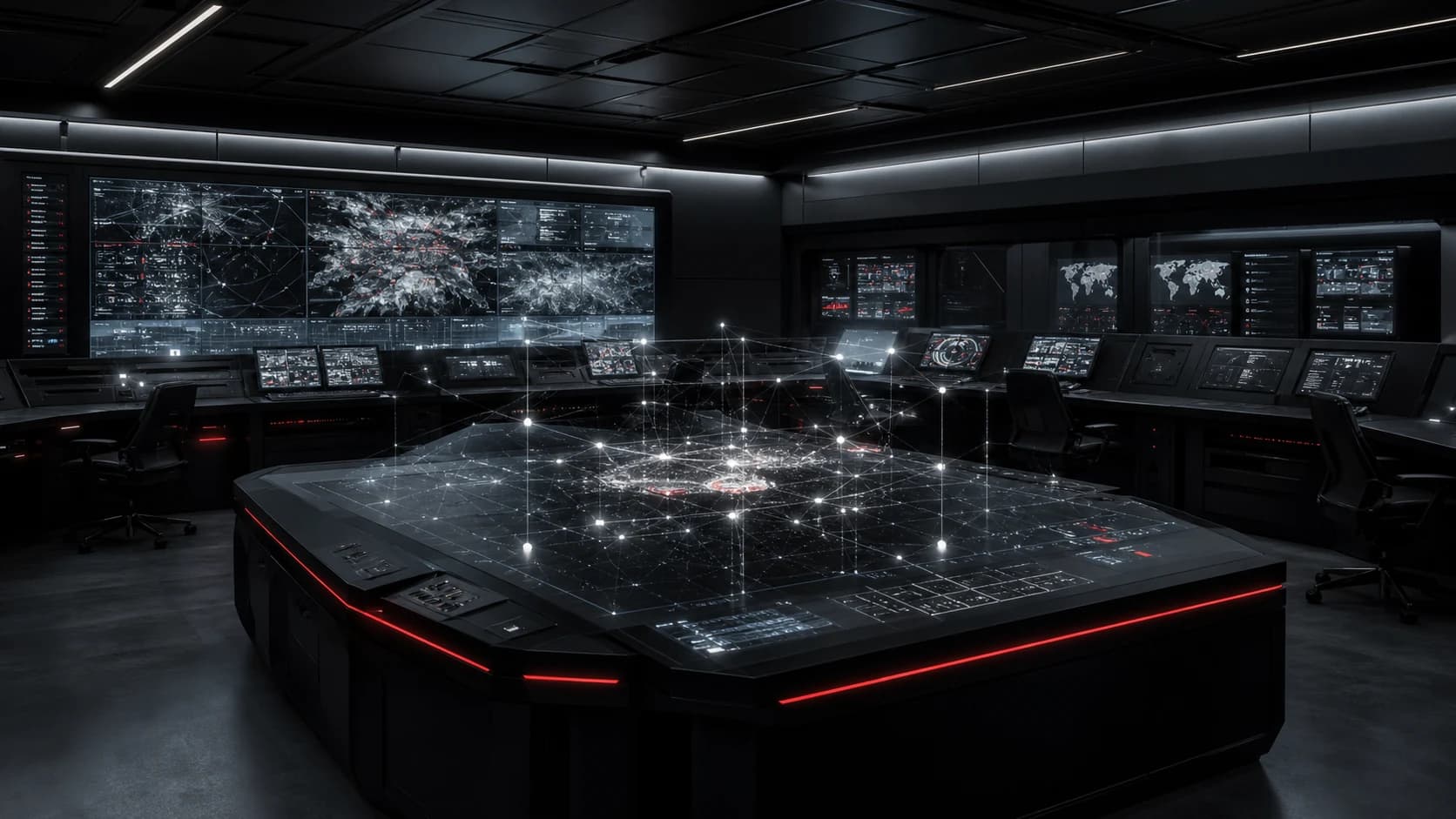
C4ISR stands for Command, Control, Communications, Computers, Intelligence, Surveillance and Reconnaissance. The essence of the concept is to collect, process, interpret and deliver field data to decision-support processes in a reliable and controlled manner. It is not simply a command screen or a software dashboard; it is the information architecture that connects sensors, platforms, networks and decision makers.
What problem does C4ISR solve?
In modern mission environments, the main challenge is often not the absence of data. It is the need to make data usable at the right time, in the right context and with reliable source information. A C4ISR architecture converts inputs from sensors, platforms, communications networks and operators into a shared operational picture. That picture should accelerate decision making while preserving traceability and responsibility.
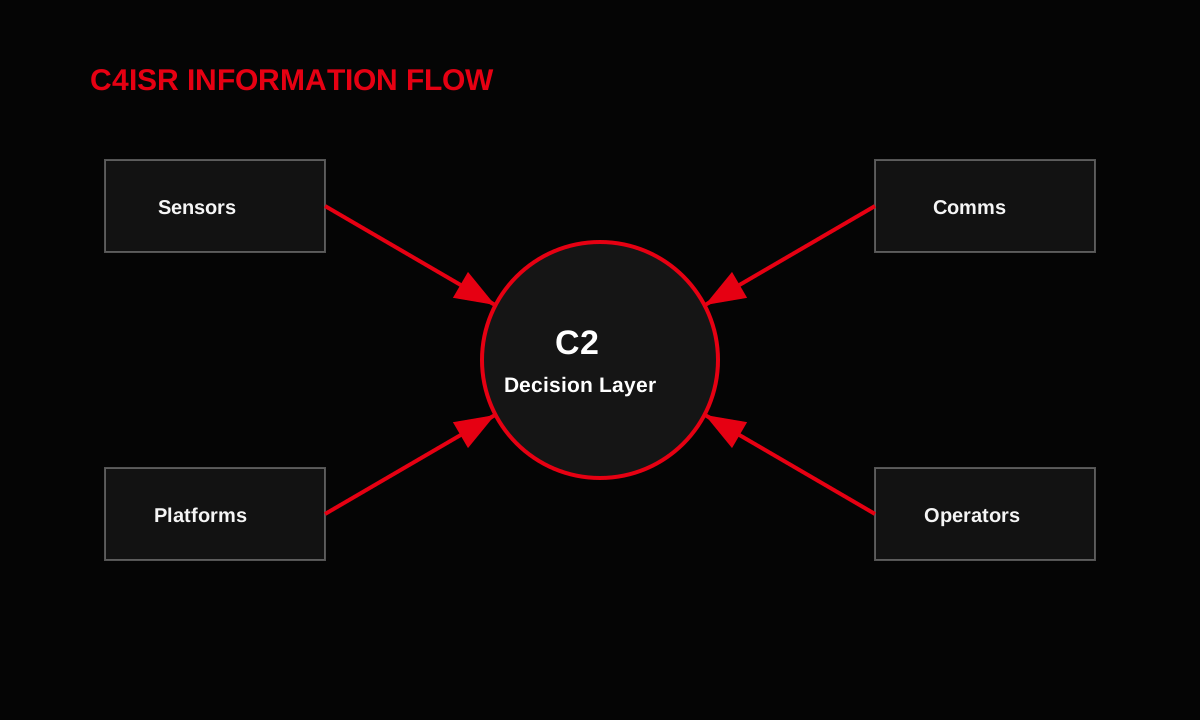
Main components
A C4ISR solution includes communications infrastructure, data models, identity and authorization, sensor integration, time synchronization, logging and post-mission analysis. One of the most critical design priorities is the ability to interface with different platforms and subsystems through controlled and documented interfaces. Without this discipline, the architecture can become difficult to validate and harder to maintain.
- Traceable decision-support flows for command and control
- Reliable and prioritized data transfer in the communications layer
- Conversion of sensor and reconnaissance data into a common model
- Situational awareness without increasing operator workload
Engineering criteria
The success of a C4ISR project is measured less by the visual appeal of the interface and more by data integrity, latency management, access control and integration quality. The system should behave predictably under network interruption, delay, data conflict or reduced sensor accuracy. Verification scenarios should therefore cover degraded or constrained environments as well as nominal operation.
Content value for a defense company
Writing about C4ISR demonstrates that a company can think at system level. It is important to describe platform, software and communications components individually, but real maturity is shown by explaining how they combine in a mission context. Content that emphasizes open architecture, secure data handling, standard interfaces and lifecycle support can strengthen procurement visibility.
Ultimately, C4ISR is the disciplined architecture that turns information superiority into a technical capability. When designed well, it does not overwhelm the decision maker with data; it delivers reliable, prioritized and mission-relevant information.